
The Art of Sparkling Wine
Tracy's recommendations for getting more enjoyment out of any bottle of sparkling wine.

Open it properly -- which means silently.
Winemakers go to great lengths to trap carbon dioxide in your wine. Popping the bottle lets too much escape too fast, meaning the rest of the bottle will go flat more quickly. Loosen but do not remove the cage, then grasp the cage and cork firmly in one hand and the base of the bottle in the other. Turn the bottle from the bottom, applying pressure against the cork until it very slowly releases from the bottle neck.
Serve it at the right temperature.
Your fridge or an ice bucket are in the range of 32° - 38°F. Your sparkling is best enjoyed between 45° - 50°. Chill it well to make it easier to open (carbon dioxide is more soluble at cold temps) but then allow it to warm up a bit in the glass before enjoying it.
Pour in the right glass.
Skip the flute. While flutes showcase the bubbles trailing through the wine, they won't allow you to fully appreciate the aromas of the wine. Try it out: pour 2oz in a flute and 2oz in a white wine glass. You'll see a big difference in aromatic intensity from the wider bowl of the white wine glass

Choose the right style for you by knowing these labeling terms.
N. V. = Non Vintage: a blend of wines from multiple years, giving a consistent "house style"
Traditional Method/Méthode Traditionnelle: produced by a second fermentation in the bottle, these wines have fine and persistent bubbles with toast, biscuit, and pastry aromas from lengthy time in contact with yeast
Prosecco/Sekt: produced in pressurized tanks, these wines will have less persistent bubbles and more purity of fruit and floral aromas, with no yeasty notes
Sweetness
Brut Nature/Extra Brut/Brut: dry wines, they do not taste sweet and are versatile with an extremely wide range of savory dishes
Extra Dry/Dry: off-dry wines with subtle sweetness, excellent with fruit, or some creamy cheeses; anytime there is just a bit of sweetness in the food
Demi-sec: medium-sweet wines, great with dessert
Blanc de Blancs: "White of whites", this is a wine made solely from white grapes, most often Chardonnay. These wines are elegant with zesty acidity, usually showing citrus, green fruit, and floral flavors.
Blanc de Noirs: "White of blacks", this is a white wine made solely from black grapes by excluding their skins from the fermentation. Most often Pinot Noir, these wines are richer and slightly softer in acidity, with baked orchard fruits and subtle berry notes.
Rosé: A blend of white and red wines, giving fuller bodied, more structured wines with refreshing acidity. These will showcase intense red berry and plum characteristics, often with deeper notes of forest floor or black tea.
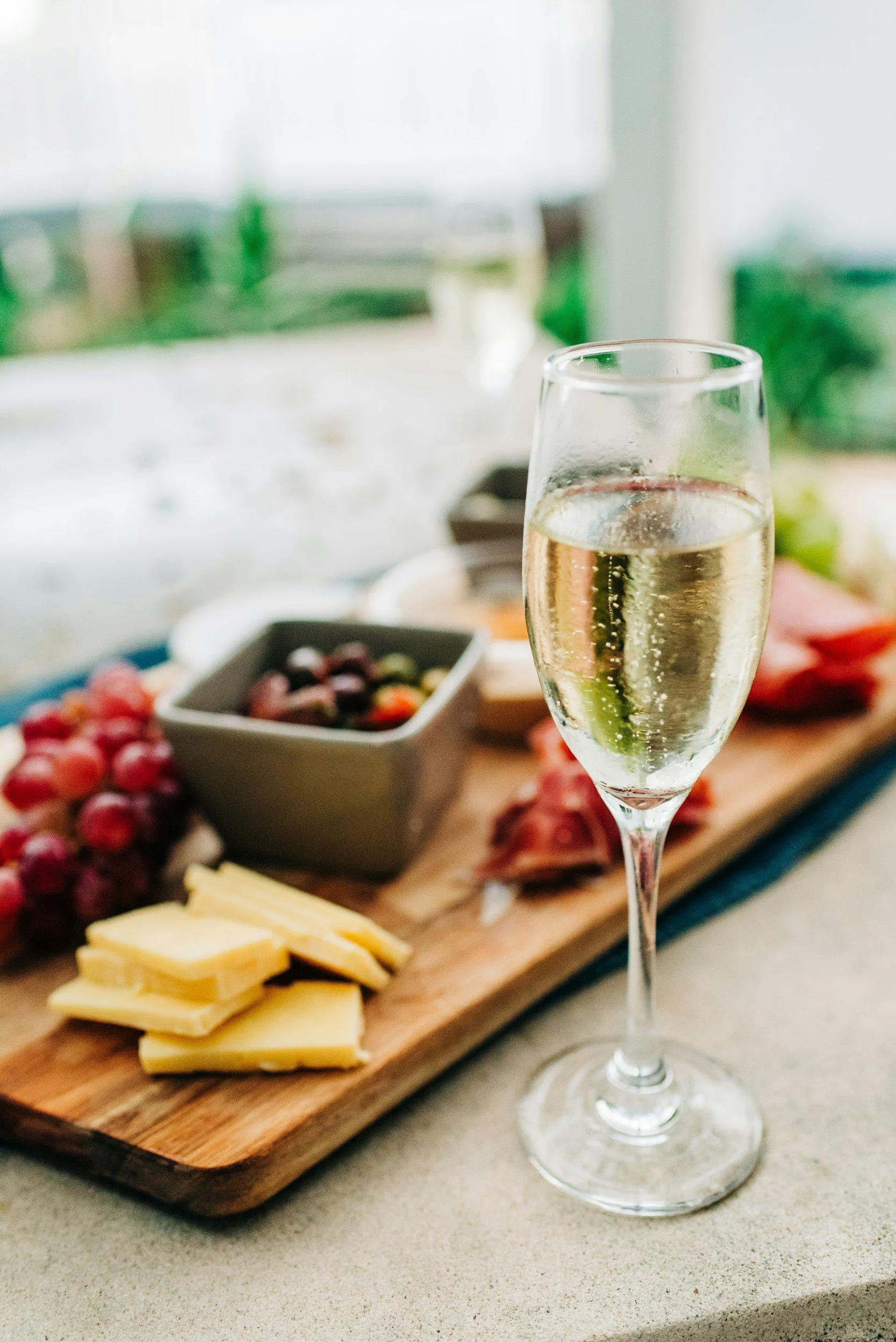
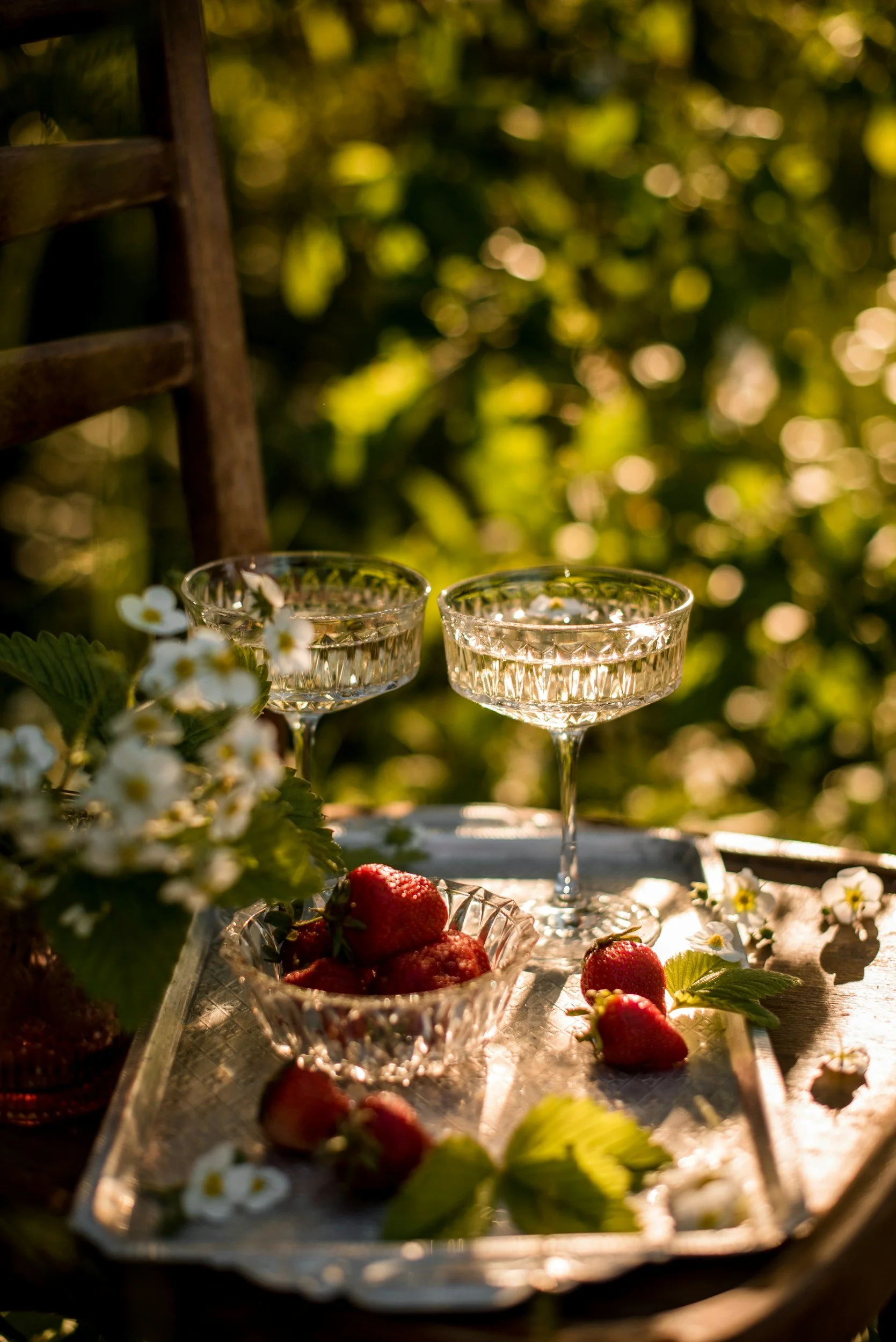
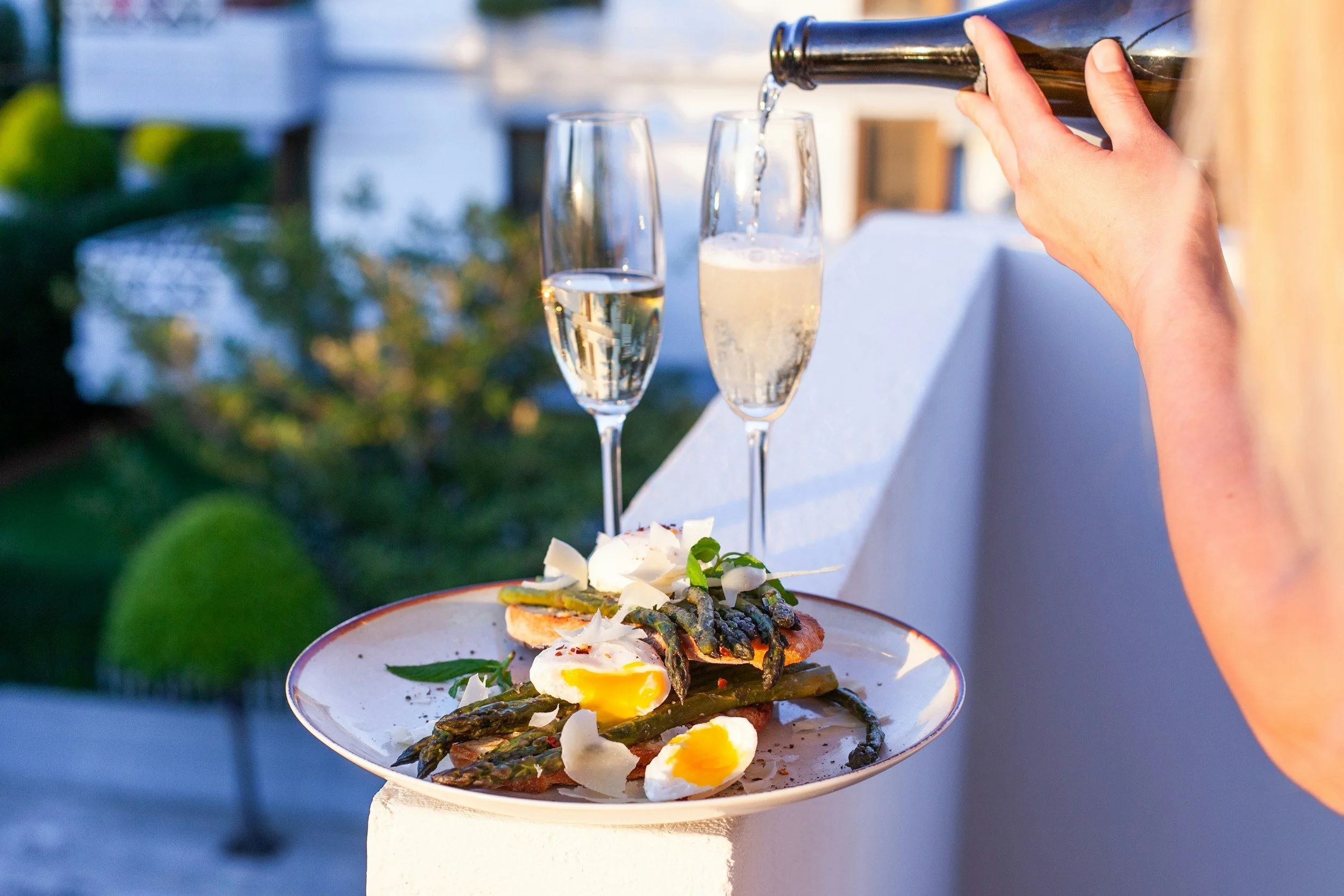
These are the wines Tracy is looking forward to sharing with family and friends throughout the holiday week.
N. V. Maison Laudacius Brut Nature, Montlouis-sur-Loire, France
With: shellfish, fresh cream cheeses, or simply as a "Welcome!"
N. V. Adami "Dei Casel" Prosecco Superiore Extra-dry, Valdobbiadene, Italy
With: brunch, mixed fruits, shortbread cookies, or simply as a "Welcome!"
As a cocktail: 2-parts wine to 1-part unsweetened cranberry juice, garnished with a sprig of
oven-warmed rosemary
N. V. Henri Giraud "Hommage au Pinot Noir" Blanc de Noirs, Champagne, France
With: smoked salmon, charcuterie, triple cream and aged cheeses, rosemary- or spice-roasted
nuts, roasted turkey or ham
2019 Domaine Carneros Late-Disgorged Brut Rosé, Carneros, California
With: charcuterie, aged cheeses, fruit chutneys, roasted turkey, ham, or beef tenderloin
2021 Schramsberg Crémant Demi-sec, Napa Valley, California
With: Christmas cookies. Especially gingerbread!
2014 Philipponnat "Clos de Goisses" Extra Brut, Champagne, France
We have a tradition of savoring a simple dish of high-quality caviar alongside an exceptional
sparkling wine for NYE. My preferred way to start the new year elegantly.